


The academic program will resume in the summer of 2025. Registrations will open soon!
Join us in the Tuscany countrysideJune 15 to July 5

In collaboration with

A 3-WEEK SESSION IN SUMMER 2026.
The Field School Montepulciano in Landscape Archaeology, GIS and Archaeometry is an intensive training program aimed at providing students with advanced methodological skills in archaeological field survey, spatial analysis, archaeometry and geoarchaeology.
Field School Montepulciano in Landscape Archaeology, GIS and Archaeometry
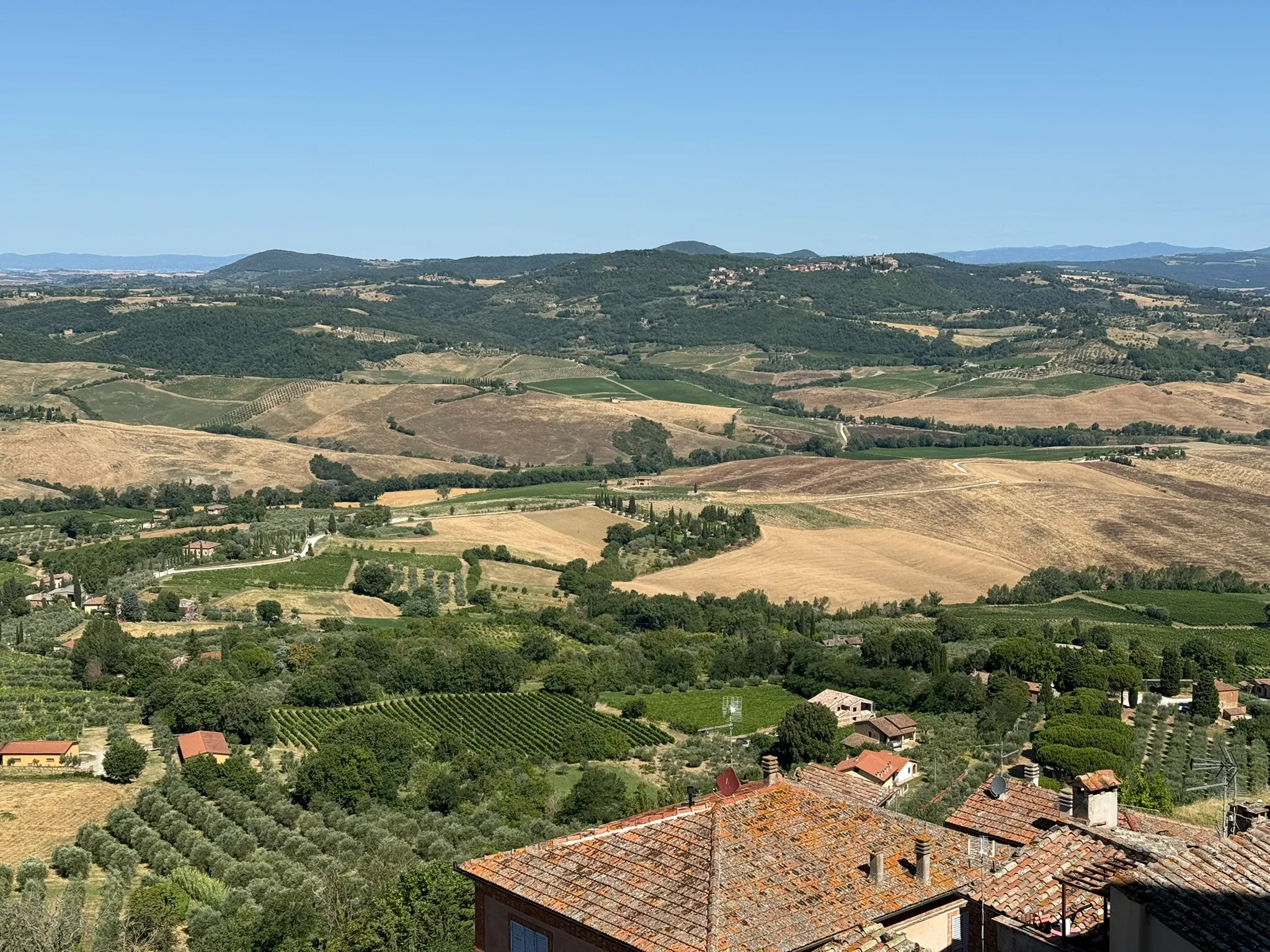
The program is fully embedded in the rural and historical landscape of southern Tuscany and focuses on the long-term interaction between settlement, production activities, and environment from antiquity to the medieval and modern periods. All field and laboratory activities are part of a broader, long-term research project “Carta Archeologica di Montepulciano”, aimed at the systematic documentation, analysis and interpretation of the archaeological landscape of the Montepulciano territory. Within this framework, students will actively contribute to the collection of primary data used for scientific research, territorial planning and heritage protection.
Program & Dates
Summer 2026
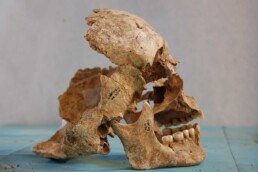
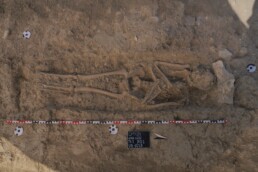
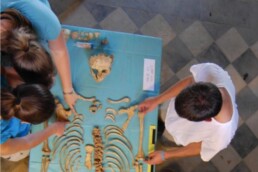
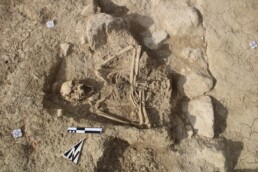
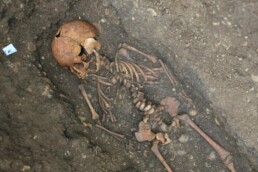
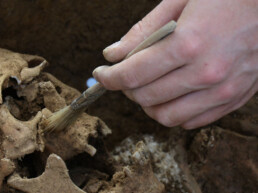
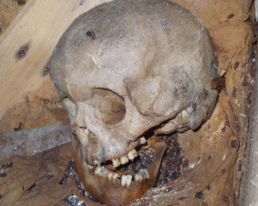
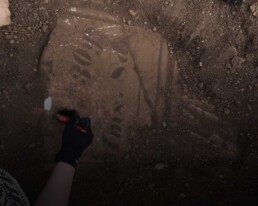
The program will run intensively from 15 June to 5 July, combining field survey, experimental archaeology, basic archaeometric analysis and lectures.. Students are expected to participate in all scheduled activities, which typically include on-site training in archaeological methods, guided discussions of the project’s research questions, and hands-on work with human and material remains recovered during the campaign.
The official language of the Summer School is English, which will be used for all lectures, field instruction, safety briefings, and laboratory sessions. No prior knowledge of Italian is required, as all essential communication—both academic and logistical—will be fully supported in English. Students who wish to practice Italian in daily life will find the local community welcoming, but this is entirely optional and not necessary for full participation in the program.
Accomodation
Housing
Housing is provided by the Field School within the Natural Reserve of Lake Montepulciano in double, triple, or four-bed rooms (separated for men and women), depending on the number of participants.
Meals
Participants will be provided with breakfast, lunch and dinner for the entire duration of the program, including Saturdays and Sundays upon request. Any specific dietary requirements will be collected during the application process.
Weekends
No activities are planned on Saturdays and Sundays, and no meals are provided. Participants are therefore free to do as they please. The closest train station is Chiusi, with daily train connections to Rome (3.5–4 hours), Florence (2 hours), and Pisa (30–45 minutes).
Academic Information
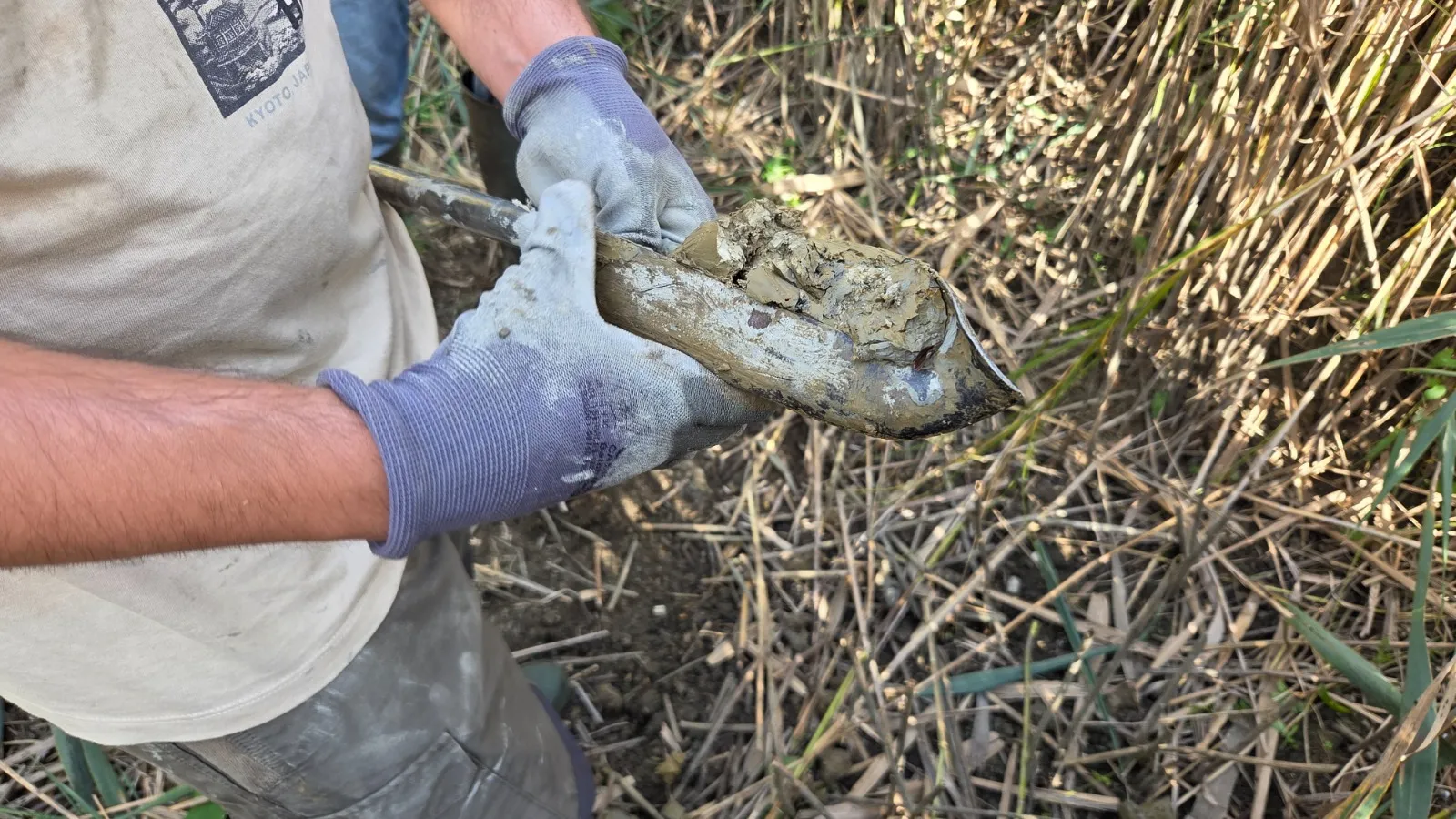
Training activities combine systematic field survey, GIS-based documentation, experimental archaeology and basic archaeometric analysis. Particular attention is devoted to interdisciplinary approaches integrating archaeological data with environmental and material studies, allowing students to experience the full research process from fieldwork to interpretation.
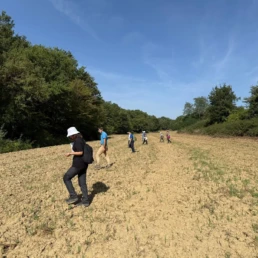
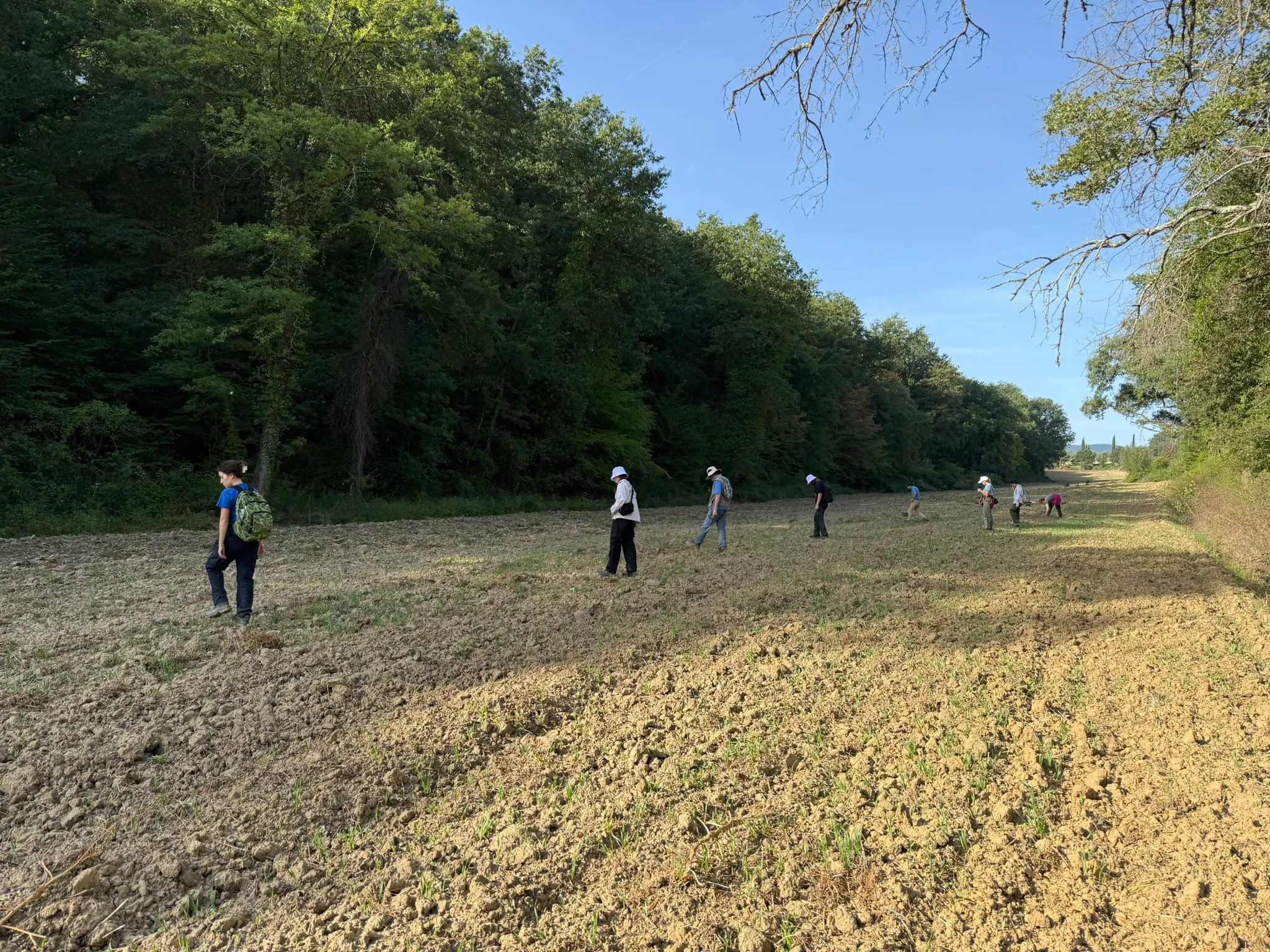
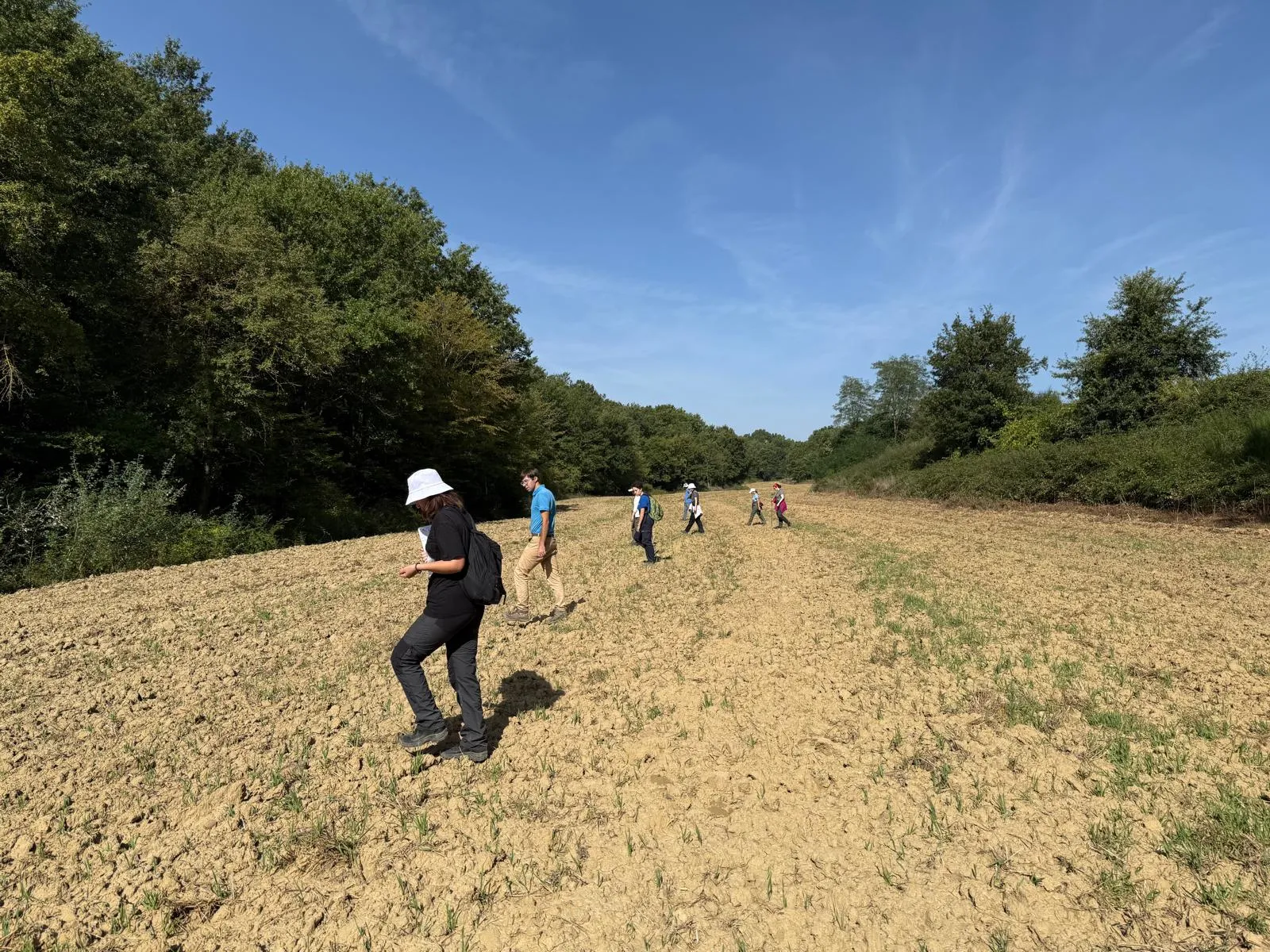
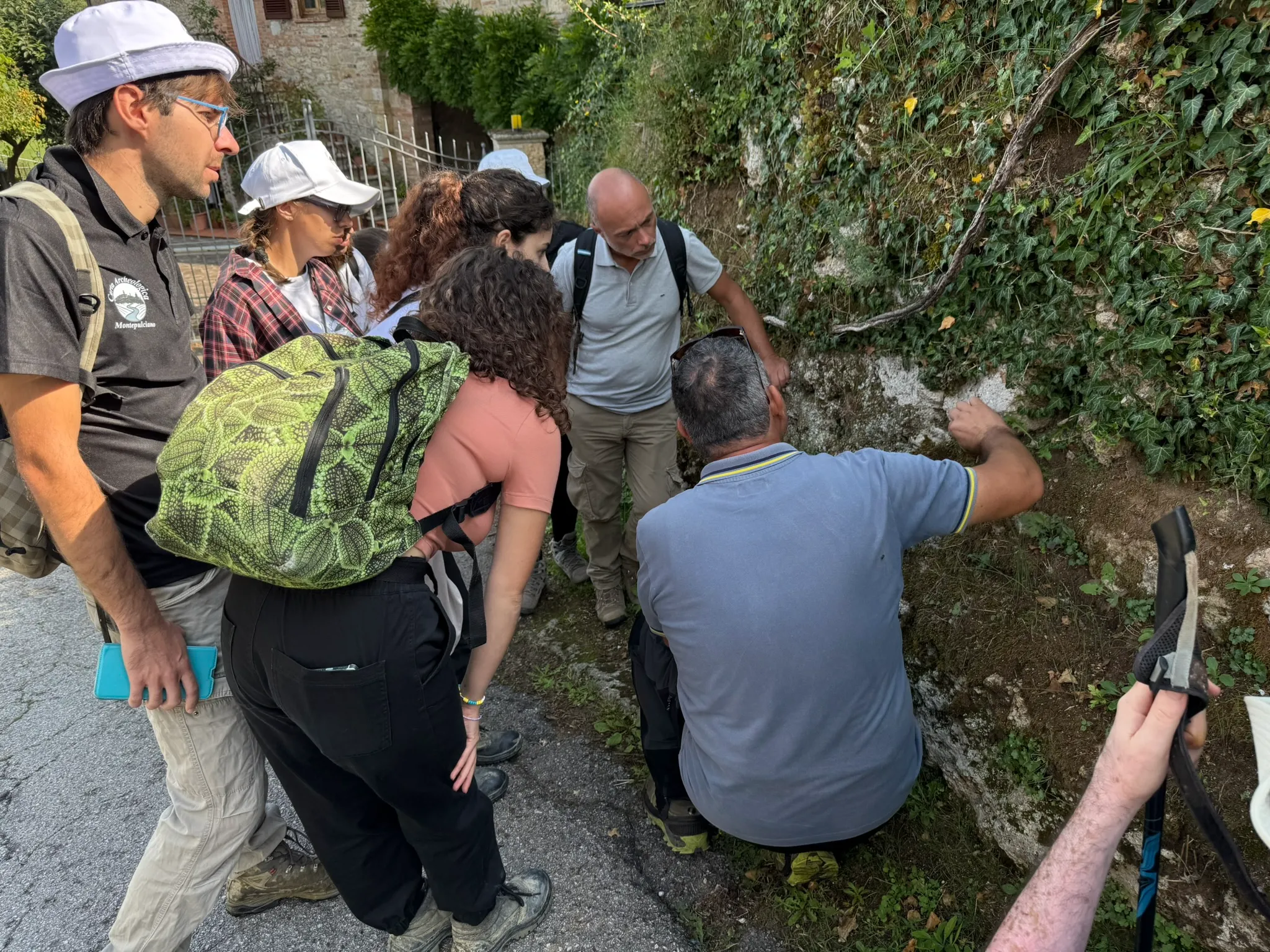
Fieldwork will take place daily, Monday through Friday, between 7:00am and 12:00pm, including a 30-minute break and will be devoted to systematic archaeological field survey, surface collection, topographic documentation and environmental observation. Students will be organized in small working groups and will operate under the direct supervision of the teaching staff, with tasks assigned on a rotational basis in order to ensure comprehensive training in all phases of field methodology.
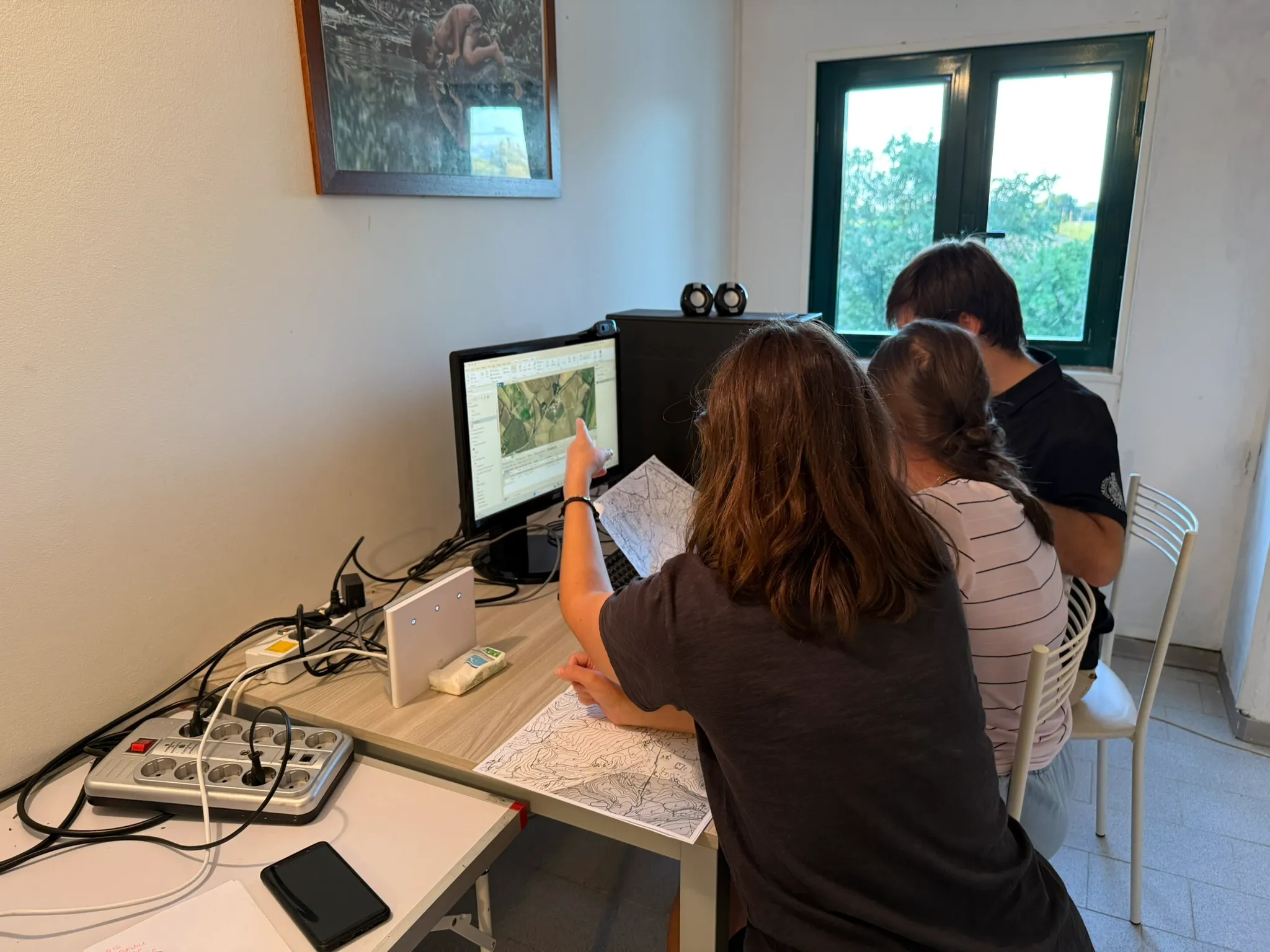
Afternoon activities will be held from 5:00pm to 7:00pm at the Natural Reserve of Lake Montepulciano and will be dedicated to laboratory work, GIS processing and lectures. Laboratory sessions will focus on data management, spatial analysis, basic archaeometric and geoarchaeological approaches and the interpretation of archaeological and environmental datasets collected during fieldwork. Lectures and workshops will provide the theoretical and methodological background necessary for understanding landscape dynamics, settlement patterns, production activities and long-term human–environment interactions.
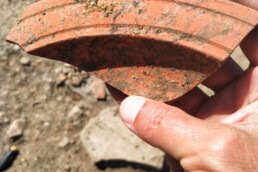
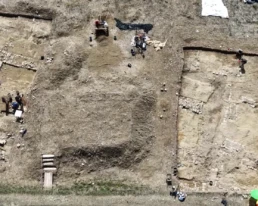
Special activities will include the introduction to drone-based archaeological documentation, the study and classification of archaeological materials, the use of professional software such as ArcGIS Pro, Metashape, and FileMaker, as well as experimental archaeology activities focused on the reproduction of ceramics and/or natural pigments.
In case of adverse weather conditions, field activities may be replaced by laboratory work, data processing, lectures, and workshops.
The Field School is designed to provide participants with:
- advanced knowledge of landscape archaeology and archaeological field survey
- practical training in GIS applications and spatial analysis
- basic training in archaeometric and geoarchaeological approaches
- experience in archaeological documentation and data management
- introduction to experimental archaeology and material studies
The program aims to train students in interdisciplinary research methodologies applicable to complex archaeological landscapes.
Student evaluation is continuous throughout the entire duration of the Field School and is based on active and consistent participation in all components of the program. Assessment will take into account the level of engagement in fieldwork activities, laboratory sessions, GIS processing and data documentation, as well as participation in lectures, workshops and discussions. Particular importance is also given to students’ ability to work effectively within a group, to collaborate with peers and staff and to demonstrate responsible conduct in shared working and living environments. Attendance, accuracy in the execution of assigned tasks and overall professional attitude will contribute to the final evaluation.
Final evaluation will be based on the following components:
- Fieldwork participation: 40%
- Laboratory activities: 40%
- Engagement in lectures, workshops and discussions: 10%
- Teamwork, collaboration skills, and overall conduct: 10%
Staff
Program coordinators
- Francesco Pagliani – Principal Investigator
- Andrea Biondi – Excavation site coordinator
On-field staff
- Damiano Bianchi – Responsible for the Documentation
- Brenno Grossi – Responsible for the Documentation
- Andrea Brusa – Area Supervisor
- Samuele Baci – Area Supervisor
- Giacomo Borrini - Material Culture Supervisor
Academic coordinators
- Enrico Cirelli (University of Bologna)
Staff
Program coordinators
- Antonio Alberti – Principal Investigator
- Sabrina Bartali – Excavation site coordinator
On-field staff
- Alessandro Costantini – Area supervisor
- Sonia Turi – Area supervisor
- Elena Funghini – Restoration supervisor
- Fabio Stratta – Responsible for the Documentation & Students Coordinator
Academic coordinators
- Francesco Coschino (IRLAB)
- Alessandro Cariboni (IRLAB)
3-week session, accommodations & meals included
SERVICE DESCRIPTION AND CONDITIONS
Support fees cover housing, meals, laboratory equipment and staff costs for one person (participant) for the entire duration of the field school. Fees also include a 1-year membership at the Student Level ($25.00 value) in the Institute for Research and Learning in Archaeology and Bioarchaeology. A non-refundable processing fee is applied to all fees at the time of payment.
There are no application fees. However, students are required to pay support fees in full within 2 weeks of admission. Failure to pay the amount due in full within two weeks of receipt of this invoice will result in the automatic forfeiture of the student’s place in the course.
These fees do not cover: 1) travel costs incurred by students to reach the field school; 2) personal expenses during the stay in Italy not expressly stated in the service description above
Eligibility
The course is open to up to 16 undergraduate, graduate and post-graduate students in archeology, anthropology or allied disciplines from any country and institution. Current enrollment in a university is not a requirement; all applications are evaluated equally and acceptance decisions are primarily based on merit.
Should minimum attendance requirement of 16 students not be met, course will be cancelled.
Admission Procedure
The Summer School has no formal prerequisites; students will be fully trained for all the activities they experience. Students interested in applying to the Summer School must fill out and submit the online Application Form.
Students must have valid international health and injury insurance (made available through student travel centers) and must provide the insurance provider’s contact information, as well as the policy number, including a proof of tetanus vaccination (or booster) within the last 10 years.
All students must read and accept the terms of the IRLAB Participation Agreement to participate in the program; a signed release form must be submitted prior to the start date of the Summer School.
Students will be required to pay fees in full within 15 business days of receipt of the invoice in case of admission. In case of student withdrawal, all fees minus a non-refundable deposit of $500 will be refunded until March 1, 2026. After March 1, 2026 fees will not be refunded. In the unlikely event of course cancellation, fees will be refunded in full (any applicable processing fees may not be refunded). Failure to provide all the above-mentioned documents and payment within the terms specified at the time of admission will constitute an automatic forfeiture of the student’s place in the summer school.
The application deadline is May 1, 2026. However, applications are reviewed as soon as they are received and successful applicants accepted right away.
Curriculum vitae and/or reference letters (e-mails) may be requested. The staff reserves the right to verify any of the information reported in the application form and request supporting documentation (e.g., advising reports; references) in its sole discretion. Staff will make final decisions regarding enrolment.
Acceptance will be communicated by e-mail. Upon acceptance, students will receive detailed instructions on how to submit required documentation and payments.
Credits
Upon completion of the Field School, students will receive an official Certificate of Attendance detailing the total workload, training activities, and learning outcomes.
Although the program is run independently of a specific university, participants may still obtain academic credit through independent study. We have over a decade of experience working with students, their advisors, and administrative staff to develop customized independent study plans. If you are interested in receiving academic credit, please indicate this preference in your application and consult with your academic advisors regarding the possibility of enrolling in an independent study or equivalent course at your institution. Should your advisor approve this arrangement, IRLAB will provide them at the end of the program with a written evaluation and a grade recommendation, along with any additional documentation they may require.
As IRLAB prepares for the possibility of holding in-person programs for the 2026 season and beyond we ask that interested participants keep in mind the following:
- Participants are advised not to purchase intercontinental flights without having consulted the guidelines of their government and without being sure that the program will take place.
- The successful operation of any in-person program will depend upon strict adherence to safety protocols based on the most up-to-date public health information.
- Restrictions may come from any level, including international travel to local municipal regulations, meaning that the restrictions in your community may differ from those at the project location.
- Due to this level of uncertainty, in-person programs may need to be cancelled with minimal prior notice.
While we sincerely hope to get back in the field with our incredible students at new and existing sites, IRLAB must prioritize health, safety, and adherence to regulations first and foremost. Should in-person programs be offered for the 2026 season, we will be updating interested students as often as possible.
We appreciate your continued patience and understanding!
Application form
Dear Applicants,
Please note that places in the program are assigned to successful students on a first come, first served basis; hence, it is advisable that you apply as soon as possible to increase your chances of being admitted.
If you have any questions regarding the program, contact info@irlabnp.org prior to submitting an application form.
Thank you for your interest in our program and good luck!